
GLP-1 Telehealth vs. In-Person Clinics | Cost & Safety
Reviewed by Kenechukwu Okeke, MD
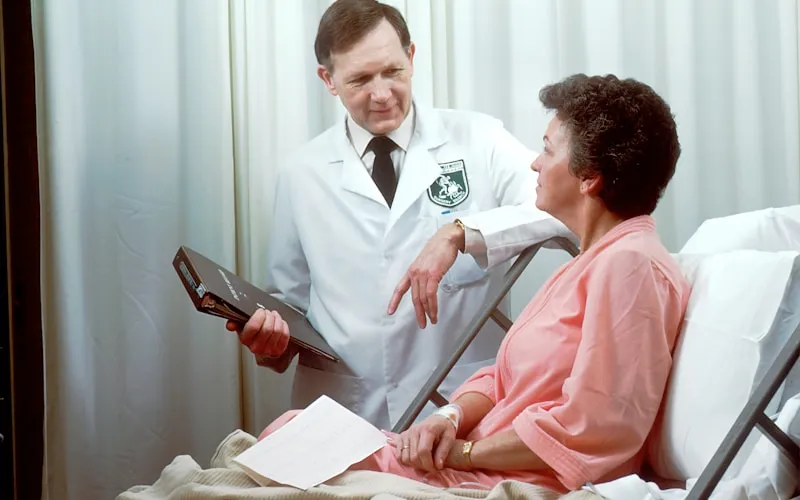
GLP-1 Telehealth vs. In‑Person Weight Loss Clinics: Safety, Results, and Costs Compared GLP-1 care is no longer defined by location—it is defined by oversight For adults with a BMI of 27–40, the biggest question is not whether a GLP-1 can help, but whether an online GLP-1 weight loss program vs clinic delivers the safest, most cost-effective path to clinically meaningful weight loss.
In practice, the answer depends less on the label “telehealth” or “in-person” and more on how well the program handles screening, follow-up, labs, dose escalation, and side-effect management.[10][12] Peer-reviewed telehealth obesity programs have shown that virtual care can produce real-world weight loss, while standard obesity medicine clinics retain advantages when patients have complex medical needs, severe adverse effects, or require hands-on evaluation.[10][12] The strongest comparison is not convenience alone; it is total quality of care, total cost, and the ability to stay on treatment long enough to see results.[1][5] What the evidence says about outcomes Across obesity treatment, outcomes are driven by medication access, adherence, follow-up intensity, and behavioral support more than by the physical setting alone.[4][12] A well-designed telehealth program can narrow the gap with an in-person clinic if it includes structured intake, ongoing coaching, lab review, and rapid response to side effects.[4][12] Weight loss results can be similar when clinical oversight is comparable In real-world telehealth obesity care, patients using GLP-1 therapy have demonstrated meaningful weight loss over 12 months, including in direct-to-consumer models.[10][12] Broader reviews of telehealth weight management also show clinically relevant reductions in body weight when medication is paired with behavioral support, though retention varies widely.[7][8] In-person obesity clinics often appear stronger on average because they usually combine prescription management with nutrition visits, frequent monitoring, and access to in-office tests.[5][7] That said, the format itself is not the primary driver of weight loss; the intensity and consistency of follow-up are.[4][5] Retention matters as much as the starting result GLP-1 therapy works best when patients stay on it long enough to titrate doses and maintain adherence.
Telehealth can improve persistence for some patients by lowering travel burden and appointment friction, while in-person clinics may support retention through stronger continuity and face-to-face accountability.[1][5][8] For patients who struggle with scheduling, transportation, or privacy concerns, virtual visits can reduce dropout risk.
For patients who benefit from direct support and physical reassessment, a clinic may be more effective over time.[1][7] Safety: where each model is strongest GLP-1 therapy is generally safe when prescribed appropriately, but it is not low-complexity care. Screening for contraindications, monitoring dose escalation, and responding to gastrointestinal symptoms or dehydration are essential parts of treatment.[2][10][12] What telehealth can do well High-quality telehealth programs can take a thorough medication history, review comorbidities, confirm BMI eligibility, counsel on warning signs, and coordinate labs through local facilities or partner networks.[1][4][12] This model is especially useful for adults who live far from obesity specialists or cannot easily take time off work.[2][4] Fast access to evaluation and treatment initiation Convenient follow-up for dose changes and symptom checks Lower logistical barriers for routine monitoring Better reach for rural or underserved patients What in-person clinics do better In-person clinics can perform physical exams that telehealth cannot replicate, including assessment of swelling, hydration status, abdominal tenderness, and injection technique.[2][5] They also make it easier to coordinate same-day labs, observe concerning symptoms in real time, and adjust treatment when there are multiple chronic diseases involved.[2][5] That matters most for people with poorly controlled diabetes, kidney disease, cardiovascular disease, eating disorders, or persistent side effects that require hands-on evaluation.[5] Common side effects and how each model handles them The most common GLP-1 adverse effects are gastrointestinal, including nausea, vomiting, constipation, diarrhea, and reduced appetite.
Real-world telehealth obesity data report that gastrointestinal symptoms are common, which reinforces the importance of dose titration and access to rapid clinical guidance.[10][12] An in-person clinic may be better if symptoms suggest dehydration, malnutrition, gallbladder disease, or intolerance that requires examination.
A telehealth program can still be appropriate if it has clear escalation pathways, same-week messaging, and access to labs and urgent referral when needed.[4][5][10] Access and convenience: why telehealth keeps growing The practical advantage of virtual care is straightforward: many patients can start faster, travel less, and avoid repeated office visits.
Reports comparing GLP-1 access models consistently note shorter time to consultation and lower friction in telehealth programs than in traditional practices.[1][2][6] That convenience can be clinically relevant. If a patient is motivated today, a same-week telehealth intake may prevent the delay that causes treatment abandonment.
In-person care can still be excellent, but the wait for an opening, labs, follow-up, and pharmacy pickup often slows the pathway.[2][6][8] Geography, scheduling, and privacy all affect adherence Telehealth is particularly valuable for patients in rural areas, for those without nearby obesity specialists, and for adults who prefer to manage weight care privately from home.[2][11][15] It is also easier to fit around work, caregiving, and travel constraints.[1][6][8] In-person clinics are more convenient for patients who already have an established local care team and who prefer physical exams, on-site testing, and hands-on education.[5][7] Total cost of care: look beyond the monthly fee The cheapest advertised monthly price is not always the lowest total cost.
Total cost of care should include the consultation, medication, labs, follow-up visits, missed-work time, transportation, and the possibility of insurance coverage.[1][6][13] When telehealth is usually less expensive For self-pay patients, telehealth often has the lower out-of-pocket burden because many platforms bundle prescribing, follow-up, and medication delivery into one monthly price.[6][13] Several comparisons note that cash-pay telehealth programs can be far less expensive than office-based care when brand-name medication is not fully covered.[6][13] Telehealth may also reduce indirect costs such as parking, commuting, and lost wages from appointments.
For many adults, those hidden expenses matter almost as much as the prescription itself.[1][6][8] When in-person care can cost less If insurance covers the medication and clinic visits, in-person care is often cheaper overall than a subscription-based cash-pay telehealth program.[1] In that situation, the patient may pay only visit copays plus a relatively small medication share, making the brick-and-mortar route financially superior.[1] In-person care can also be more efficient if a patient needs multiple comorbidity-related services from the same health system, such as diabetes monitoring, blood pressure management, or lab follow-up.[5] What patients should calculate before choosing Medication coverage : brand-name GLP-1, compounded option, or mixed coverage Visit structure : one-time consult, monthly follow-up, or bundled subscription Lab costs : baseline tests and repeat monitoring Travel costs : commute, parking, time off work Escalation needs : likelihood of needing in-person exams or referrals Who is a better fit for telehealth, and who should start in clinic?
The best setting depends on medical complexity, access barriers, and preference for hands-on care. A patient with uncomplicated obesity and limited local access may do very well in telehealth. A patient with multiple chronic conditions may benefit more from an in-person obesity clinic or a hybrid model.[5][7][15] Telehealth is often a good fit for Adults with BMI 27–40 seeking medication-based weight management Patients with stable medical histories and no active red flags People who need faster access or live far from obesity specialists Patients who value privacy and flexible scheduling Self-pay patients comparing all-in monthly prices In-person clinics are often a better fit for Patients with complex cardiometabolic disease People with severe or persistent GI side effects Patients who need frequent physical exams or procedures Those who prefer coordinated multidisciplinary care in one place Patients with uncertain diagnoses or multiple medication interactions For many adults, the most effective answer is a hybrid model: telehealth for routine management, with primary care or obesity-specialist oversight for labs, exam findings, and complications.[1][2][5] The hybrid model may offer the best balance A hybrid approach combines the accessibility of virtual care with the diagnostic strengths of in-person medicine.
The patient can receive timely dose adjustments and counseling remotely while still obtaining periodic exams and lab monitoring through a local clinician or primary care team.[1][2][4] This model is especially compelling when the goal is long-term treatment rather than a one-time prescription. Because obesity is a chronic disease, the ideal system is the one that makes it easiest to remain safe, engaged, and consistent over time.[4][5][12] [
This article is for education and is not medical advice. Compounded medications are prepared by licensed 503A pharmacies and are not FDA approved for safety, effectiveness or quality.
Have a question this did not answer?
A clinician can look at your history rather than the general case.